Home › Road, Street, and Municipal Paving
From neighborhood streets to access roads, our road paving services in Fayetteville, NC deliver smooth, durable asphalt surfaces. We handle milling, base work, and paving for municipalities, HOAs, and private developments that need reliable streets built to handle daily traffic.
Precision Asphalt Fayetteville provides professional road paving throughout Fayetteville, NC, North Carolina and the surrounding area. Our licensed, insured crew delivers safe, clean, on-time work with a free estimate before anything begins. Call (910) 659-3742 or request your free quote.
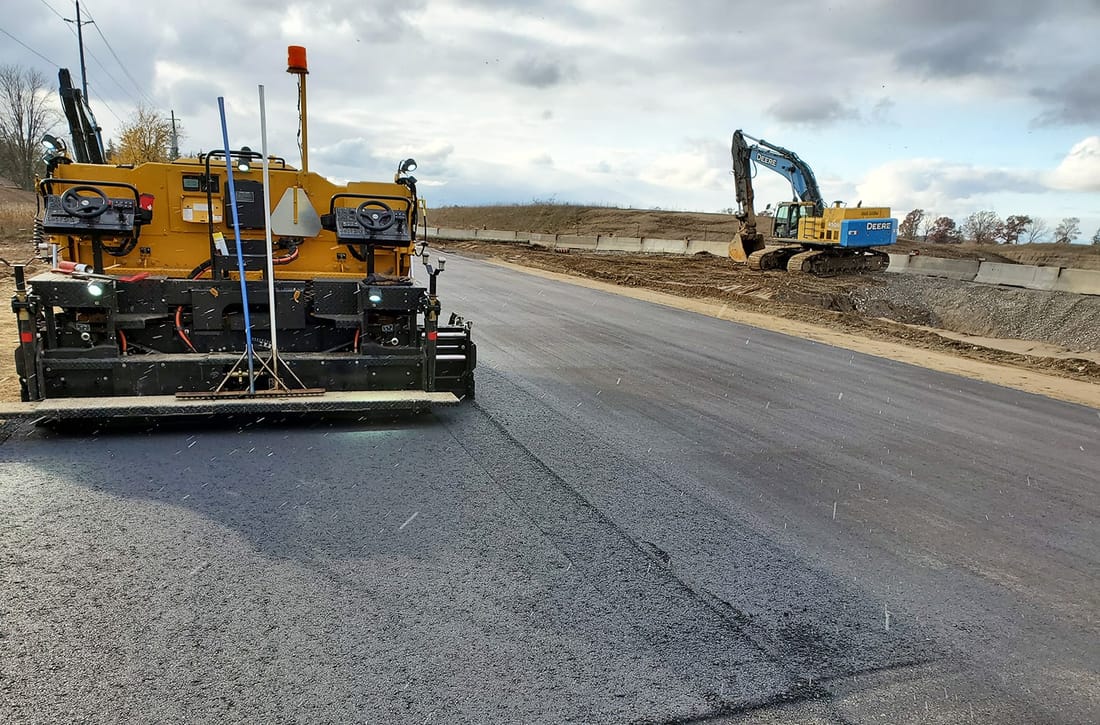
Road and Street Paving in Fayetteville Built for Everyday Traffic
Road paving in Fayetteville is not just about putting down blacktop. It has to stand up to school buses in the morning, delivery trucks all day, and summer heat that can easily top 90 degrees. Precision Asphalt Fayetteville designs and builds road surfaces with those real conditions in mind so they last instead of raveling or rutting after a few seasons.
When we look at a road or neighborhood street, the first step is always evaluation. We check the existing base with test cuts and a proof-roll, where a loaded truck is driven over the surface to find soft spots. In this area of North Carolina, clay soils and poor drainage are the main reasons roads fail early. If we find pumping, cracking, or deflection, we know we need to fix the base, not just resurface the top.
For residential streets and light-use roads, we typically install a compacted stone base and a two-course asphalt system. A common option is a binder course for strength followed by a finer surface course for a smooth ride. For collector roads, bus routes, and industrial areas, we increase base thickness and may use a heavier-duty binder mix with more stone content. That extra structure is what keeps wheel paths from rutting when the pavement softens in summer heat.
Local conditions shape the timing too. In Fayetteville, we try to schedule most paving work between late March and early November. Asphalt needs enough ground and air temperature to cool at the right rate and compact properly. In cooler shoulder seasons we adjust mix temperature, roller patterns, and shift start times so the mat does not cool too fast and segregate.
How the Road Paving Process Actually Works
Precision Asphalt Fayetteville follows a step-by-step process for road, street, and municipal paving that keeps surprises to a minimum and quality consistent.
1) Survey and layout. We confirm road width, crown, intersections, drive entrances, and tie-in elevations at existing streets and gutters. For city and county work we coordinate with engineers. For private roads and HOA streets we often help set practical specs that match budget yet still meet heavy vehicle needs.
2) Drainage and base preparation. Water is the enemy of pavement. Before we bring hot mix to the site, we establish proper slope so water sheds to ditches, swales, or storm drains rather than sitting in wheel paths. We repair soft or pumping subgrade areas by undercutting and replacing with stone, and we may install geotextile fabric if the underlying soil is especially weak. Base stone is placed in layers and compacted with steel drum and vibratory rollers to reach target density.
3) Binder and surface courses. Once base passes density and proof-roll tests, we place the asphalt binder course. This is the structural layer that handles load. After rolling and checking joints, we place the surface course. On local streets this is usually a finer 9.5 mm or similar mix that gives a smoother ride and better contact for vehicle tires.
4) Transitions and tie-ins. On existing roads we mill or grind the edges so the new asphalt ties in flush. This step is critical around manholes, intersections, speed humps, and driveway aprons. In Fayetteville, older subdivisions often have multiple overlays already in place, so we carefully cut and feather those layers so curb reveal and drainage patterns are preserved instead of creating trip lips or puddles.
5) Striping and traffic control. After the asphalt has cooled, we apply thermoplastic or paint striping as specified. For city streets this includes centerlines, edge lines, crosswalks, stop bars, and arrows. On private roads and HOA streets we help owners decide where markings actually add safety and where they are not necessary, which can reduce long-term maintenance costs.
Materials, Design Choices, and What Affects Cost
The cost of road paving in Fayetteville depends on more than just the price per ton of asphalt. Precision Asphalt Fayetteville walks property owners and municipal clients through the real drivers so there are fewer surprises.
Base repair and thickness are the biggest variables. If an existing road only needs a mill and overlay, cost is lower because we reuse the base structure. If we find widespread base failure, we may need to undercut poor soils and rebuild with new stone, which adds excavation and material cost but is often cheaper in the long run than patching the surface every year.
Mix type also matters. A standard surface mix works fine for slower, lighter traffic such as subdivision streets. For roads with frequent turning trucks, bus routes, or access to industrial areas, we may specify a stiffer mix that handles shear forces better. This kind of mix costs more per ton but reduces rutting and shoving at intersections.
Design features change the number too. Adding curb and gutter, widening lanes, adding turn lanes, or improving sight distance with grading all change earthwork and paving quantities. For HOAs considering resurfacing, a common question is whether to adjust road profile to improve drainage. Sometimes a simple overlay is enough, other times we recommend limited milling to restore proper crown and cross slope so water does not sit in the middle of the lane.
Timing and traffic control are another factor. Night work near busy corridors like areas around Bragg Boulevard or Ramsey Street can increase cost because of lighting, additional flaggers, and restricted haul hours. On private roads, we often save owners money by phasing the work so full closures are shorter and do not require elaborate detour setups.
We also discuss options like thicker surface courses in key spots such as intersections and hills where braking and turning stress the pavement. Spending a bit more in those areas often prevents premature cracking and potholes that draw complaints from drivers and residents.
Common Road Problems in Fayetteville and How We Fix Them
Fayetteville roads see a mix of heat, sudden thunderstorms, and occasional freeze-thaw cycles. Precision Asphalt Fayetteville designs and repairs pavement with those patterns in mind so the same issues do not keep coming back.
Alligator cracking and potholes are usually a sign of base failure, not just a bad surface. When we see interconnected cracking in wheel paths, we rarely recommend a simple overlay. Instead, we cut out affected areas, repair underlying stone or subgrade, then pave back using a patching mix that matches the surrounding pavement thickness and type. This keeps the patch from sinking or telegraphing a crack outline after a season or two.
Standing water is another big issue. On flat streets or older roads that have been overlaid several times, the crown can flatten out and water pools along the center or edges. That water then seeps into joints and accelerates damage. To fix this, we may mill specific areas to reestablish slope, then place new asphalt with a controlled crown. In some cases, we add small swales or improve roadside ditches so stormwater actually leaves the pavement instead of sitting beside it.
Rutting tends to show up on truck routes and at intersections where drivers brake and accelerate. In summer, soft asphalt and heavy truck tires can form shallow ruts that hold water. Our fix is usually a combination of removing the rutted asphalt, checking and stiffening the base if needed, and installing a higher performance mix in those lanes or at those intersections.
Utility cuts are one more common headache. After water or sewer work, trenches that are not compacted properly can settle and create dips. When we patch these, we focus on compacting each lift of backfill stone, then using a slightly wider surface patch to spread load beyond the trench area. This helps keep the patched area level with the rest of the road so it does not turn into a permanent bump or dip.
Because many Fayetteville neighborhoods have limited access, we carefully plan repairs to keep at least one lane open when possible and provide clear schedules to HOAs and property managers so residents know when to move vehicles and how long they will be affected.
What Local Owners and Municipal Clients Should Know Before Hiring
Whether you manage an HOA, own a commercial property with private streets, or work for a public agency, it helps to know what to ask before you hire a road paving contractor in Fayetteville. Precision Asphalt Fayetteville encourages clients to focus on process and quality control, not just the lowest price per ton.
Ask how the contractor evaluates base and drainage, and whether they conduct proof-rolling and density testing. A bid that skips real base repair might look cheaper but often leads to cracks and potholes a few years later. Request a clear breakdown of thicknesses for base, binder, and surface courses, not just a single number for total depth.
Check what traffic loads the design is aimed at. A residential cul-de-sac that only sees cars and light pickups can use a different structure than a road that serves garbage trucks, school buses, or delivery fleets. Being specific about who uses the road helps us choose the right mix and thickness without overspending.
Timing is important in Fayetteville because of weather. Ask how temperature and rain forecasts will affect your schedule. A careful contractor will not rush to pave on a wet base or in marginal temperatures that prevent proper compaction. It is better to shift by a day than to lock in problems under a brand new surface.
Finally, talk about long-term maintenance. A good road plan includes crack sealing, occasional patching, and eventual resurfacing before major failure. We often help HOAs and property owners map out a 5 to 10 year plan so they can budget for seal work, minor repairs, and a future overlay instead of waiting until full reconstruction is the only option.
By focusing on structure, drainage, and realistic traffic needs, Precision Asphalt Fayetteville builds roads, streets, and municipal pavements that handle our local climate and stay serviceable longer, which ultimately lowers your cost per year of use.